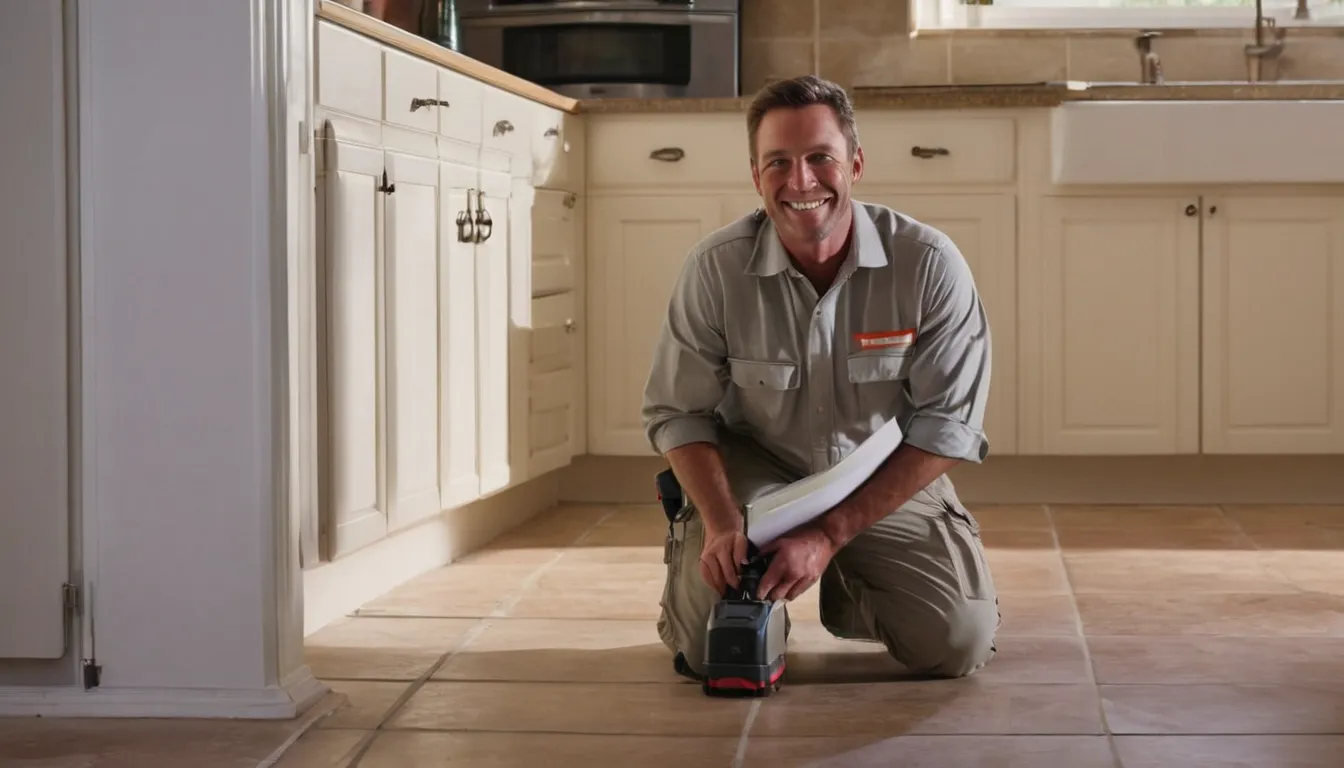
Pest Control for La Plata Homes
Request an estimate for your home
Pests do not follow a calendar, but they do follow the weather. In the La Plata area, humid summers bring ants, roaches and crickets. Cold snaps and freeze-thaw swings push mice, rats and spiders toward warm basements and walls.
Actuallyrepublican Pest Control is a referral service. We do not treat homes ourselves. You tell us what you see and when, and we connect you with an independent provider in our network. The provider inspects, explains the plan, and gives you a written quote. This page walks you through the steps, the timing, and the typical costs, so you know what to expect before anyone arrives.
Seeing Pests? Start With This Checklist
First, name it. A clear label helps a provider plan the right treatment. Before you ask for help, gather a few facts.
- What: ants, roaches, spiders, crickets, mice, rats, termites, or bed bugs
- Where: kitchen, basement, attic, bedroom, or outside walls
- When: morning, night, or after rain
- Proof: a clear photo, or a sample sealed in a bag
Next, request an estimate and share your notes. If you are searching for an exterminator near me, this list saves time on the first conversation.
Check the Season
Timing changes the plan. The same pest acts differently in July than in January, and a good provider knows this. Treat the calendar as part of the diagnosis.
Here is the short version for four-season homes:
- Spring: ants wake up, termite swarmers appear, and spiders look for new corners.
- Summer: heat and humidity speed up breeding for roaches, crickets and ants.
- Fall: mice and rats search for warm spots before the first hard freeze.
- Winter: pests stay indoors, so signs show up in basements, kitchens and wall voids.
Humid Summers and Damp Basements
Moisture is the common thread. Many colonial and split-level homes have basements that stay damp after heavy rain. Older rowhouses can have gaps around pipes and shared walls. Aging cast-iron and galvanized plumbing may leak slowly, which gives roaches and silverfish a steady water source.
Then look at drains, window wells and the spots under sinks. A provider will often check these first.
Fall Is the Move-In Season for Mice
When nights turn cold, rodents look for shelter. Nor'easters and freeze-thaw cycles also crack foundations and loosen siding. A gap the size of a dime can be enough for a mouse.
If you hear scratching in walls or find droppings near the stove, act this week. Do not wait for winter.
What Happens as the Days Pass
Pests grow in numbers, so waiting costs more. Here is a simple timeline.
- Day 1: You see one or two pests. This is the easiest point to treat.
- Days 2 to 7: Roaches and mice breed. Droppings and egg cases build up out of sight.
- Weeks 2 to 4: A small problem spreads to more rooms. Mice may chew wiring and insulation.
- Month 2 and later: Colonies are established. Treatment usually takes more visits.
Termites are the quiet exception. They can work for months with no clear sign, so any mud tubes or wings near a window deserve a prompt inspection.
What Residential Pest Control Covers
A typical visit follows the same order.
- Inspect: the provider checks inside, outside, the basement and the attic.
- Identify: they confirm the pest and find how it got in.
- Treat: they apply products or set traps where pests travel and nest.
- Seal: some providers close small entry gaps or advise on repairs.
- Follow up: they explain what to watch for and when to book a recheck.
Common Pests Providers Treat
- Ants: trails in kitchens, carpenter ants in damp wood
- Roaches: nighttime activity, musty smell, droppings like pepper
- Spiders and crickets: webs in corners, chirping in basements
- Mice and rats: gnaw marks, droppings, greasy rub marks on walls
- Termites: mud tubes, hollow-sounding wood, shed wings
- Bed bugs: itchy bites, tiny dark spots on mattress seams
For bed bug treatment, ask the provider about heat or multi-visit plans, since one pass rarely clears an infestation.
Questions About Product Safety
Ask before the visit, not after. A good provider will tell you which products they use, where they apply them, and how long to keep kids and pets away from treated areas.
Ask these three things:
- Is the label followed for indoor use?
- Are there lower-odor or targeted options?
- What should I cover or move?
Tell the provider about pregnancy, asthma, birds, or fish tanks. They can adjust the plan.
One Visit or an Ongoing Plan?
A single treatment can solve a short-term problem like a wasp nest or a few ants. Repeat visitors, such as roaches, spiders and mice, often call for a seasonal plan. Many plans run quarterly, with extra visits before fall and spring.
First, ask what is covered between visits. Then check whether re-treatments cost extra. Get the answer in writing.
How to Choose a Provider
Check the season, then check the paperwork. Quote in writing is the rule.
- Ask whether the provider is licensed in your state and insured.
- Request a written quote that lists the pest, the method, and the number of visits.
- Compare two quotes when you can.
- Be careful with anyone who will not explain the product or pushes a large upfront fee.
Help the Treatment Work
A few simple steps before the visit make a real difference.
- Clear space along baseboards and under sinks.
- Store food in sealed containers.
- Fix drips and run a dehumidifier in damp basements.
- Trim branches that touch the roof and move firewood away from the house.
- Keep notes on what you see after treatment.
Pests may seem more active for a few days after treatment. That is common as they leave their hiding places. Report it if it continues past the recheck date the provider gave you.
What's Included
Inspection First
A provider checks rooms, basements, attics and outside walls to confirm the pest and find how it gets in.
Targeted Treatment
Products or traps go where pests travel, feed and nest, based on the species.
Entry Point Advice
Many providers point out gaps, leaks and damp spots that let pests inside, and suggest simple fixes.
Follow-Up Visits
Some pests need a recheck or repeat treatment, and the provider explains the schedule in the written quote.
Typical Pest Control Costs
These are typical U.S. ranges. Prices vary by home size, pest, severity and region. Treat them as a guide only, and always get a written quote that lists visits and re-treatments.
| Service | Typical range | Notes |
|---|---|---|
| One-time general treatment | $100 – $350 | Common for ants, spiders, crickets |
| Quarterly plan, per visit | $40 – $150 | Often includes seasonal recheck |
| Roach treatment | $100 – $400 | Heavy cases may need extra visits |
| Mouse treatment (indoor) | $200 – $700 | Sealing gaps may cost extra |
| Wasp or hornet nest | $75 – $300 | Depends on height and nest size |
| Bed bug treatment | $300 – $2,500 | Varies by method and number of rooms |
How It Works
Name the Pest
Note what you see, where, and when. Add a photo if you can.
Request an Estimate
Send your details or Request a callback to check provider availability in your area.
Get Matched
We connect you with an independent provider who handles your pest.
Review the Quote
Check the written quote for pest, method, visits, and re-treatment terms.
Why Call Actuallyrepublican Pest Control
Season-Based Matching
We sort your request by pest, season and urgency before connecting you with a local provider.
Independent Providers
Providers in our network run their own businesses and do the actual work.
Clear Checklist
Our steps help you describe the problem so quotes are easier to compare.
No Obligation
Requesting an estimate does not commit you to hire anyone.
Other Services
Need pest control in La Plata?
Tell us what you found and where. Send the request form, or Request a callback to check provider availability. Local providers in our network will take it from there.
Pest Control FAQ
How often should I get pest control for my house?
It depends on the pest and the season. Many homes use quarterly visits, with extra attention before fall and spring. A one-time treatment may be enough for a single short-term problem. Ask the provider what fits.
Is it safe to stay home during pest treatment?
Often yes, but it depends on the product and method. Ask the provider before the visit. They can tell you how long to keep children and pets out of treated rooms, and what to cover.
Why do I see more bugs after treatment?
This can be normal. Treatment can push pests out of hiding, so you may see more for a few days. If activity continues past the recheck date, tell the provider so they can follow up.
Reach a local provider
Tell us what you found and where. Send the request form, or Request a callback to check provider availability. Local providers in our network will take it from there.
No obligation